
The recorder that wrote its own blog post
John Allsopp pulled a recorder out of his pocket at the AI engineer conference in Melbourne. One week of interleaved building later, it delivers meeting summaries as open markdown. The device recorded the ideation session for its own blog post.
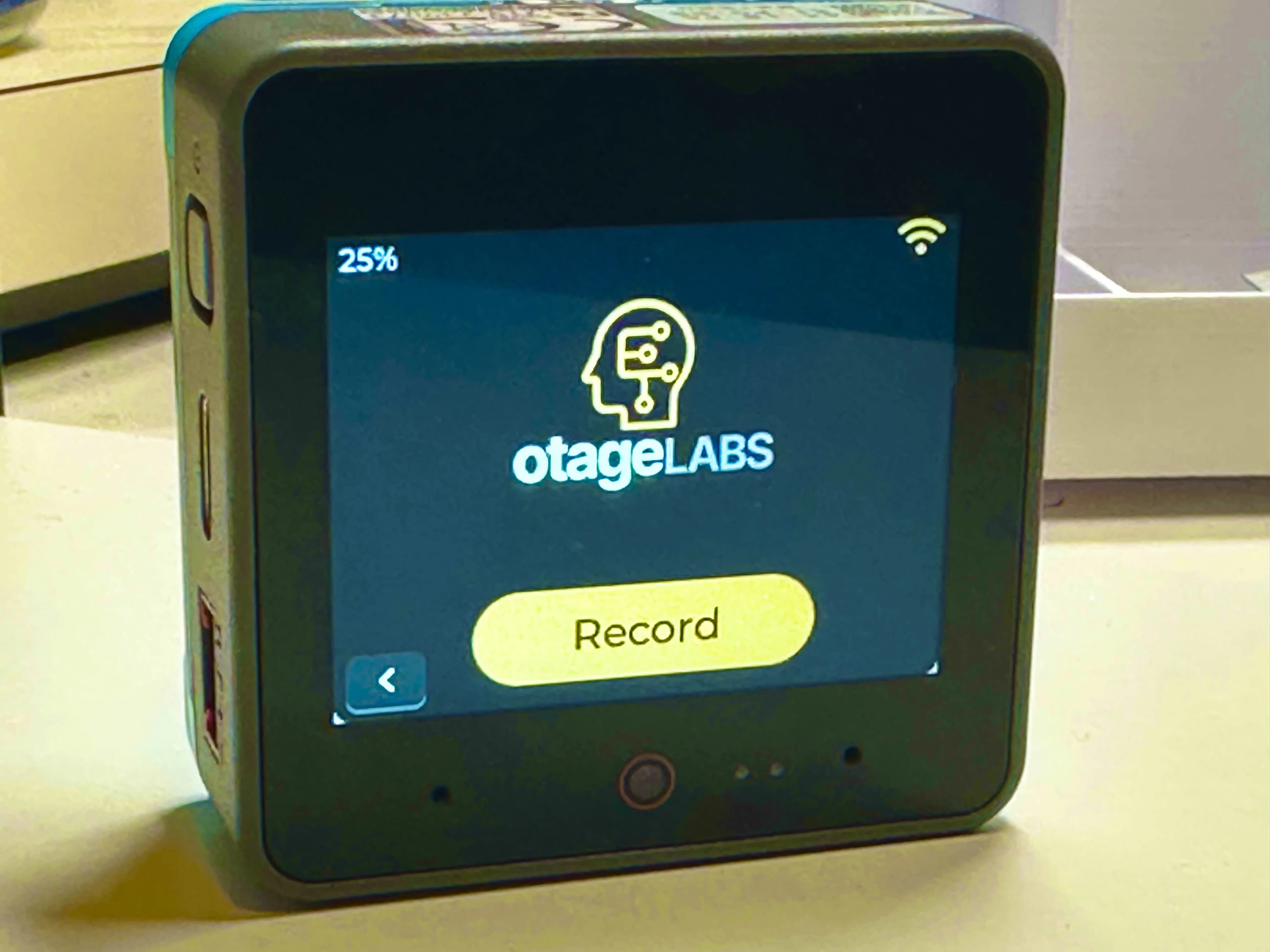
Six weeks ago John Allsopp pulled a small recorder out of his pocket at the AI engineer conference in Melbourne. He'd been using it to capture meetings and conversations throughout the day. I hadn't touched hardware in a while and the curiosity hit immediately.
I followed up with John, worked out what the device was, found it online, and got my agents to help me build a shopping list. The gadget arrived and sat on my workbench for about a week before the obvious thought landed: plug it in, tell the agents what I want, and see what happens.
I created a firmware engineering persona, pointed the agents at the device, and we got to work. The first version ran clean for about five minutes. Then it fell over.
I did what I always do when a prototype proves the concept but breaks under real use: fired up a specification workshop with Robbo. We mapped the requirements properly. What features the recorder needs so I can manage it while I'm out and about. What the overall pipeline should look like to turn a raw recording into something an agent can consume. Then started building from a spec instead of from enthusiasm.
That was a week ago. Built interleaved with everything else, and there is a lot going on.
What the pipeline does
The recorder captures the conversation. When it finishes, it connects to wifi, uploads the audio to my system, and a transcription pipeline kicks in. It identifies who is speaking and what they're saying, drops the result into a task queue, and flags it for analysis. Before long there's a meeting summary sitting in the system as open markdown, ready for an agent to pick up and act on.
Open markdown means the recording lands as native material in the agent stack. No vendor portal, and no proprietary format requiring a login to access a transcript. The summary can feed into a meeting debrief, trigger a follow up task, or land in a client report.
I got a meeting recording back from another service today by email. To see the transcript I had to log in to their website. That feels like 2025.
The circle
Today the device recorded the conversation where I described all of this to my writing agent. The pipeline transcribed it, the agent consumed it, and the ideation session became this post. The recorder wrote its own origin story.
This morning I reviewed a client transcript, had the summary shaped appropriately, and sent it within minutes. The whole chain from recorded audio to delivered client summary happened without leaving the agent workspace. All from a device that was a workbench curiosity seven days ago.
Tomorrow is the AI engineer event. If the gadget John showed me six weeks ago is there again, I'll be able to show him what happened after I got curious.