
By the way, don't forget the milk
Claude Code's /btw command opens a disposable sidebar where nothing persists. The name implies "hold onto this"; the feature does the opposite. It's a sharp example of the oldest unsolved problem in software, and the cost of getting naming wrong is higher in AI tooling than anywhere else.
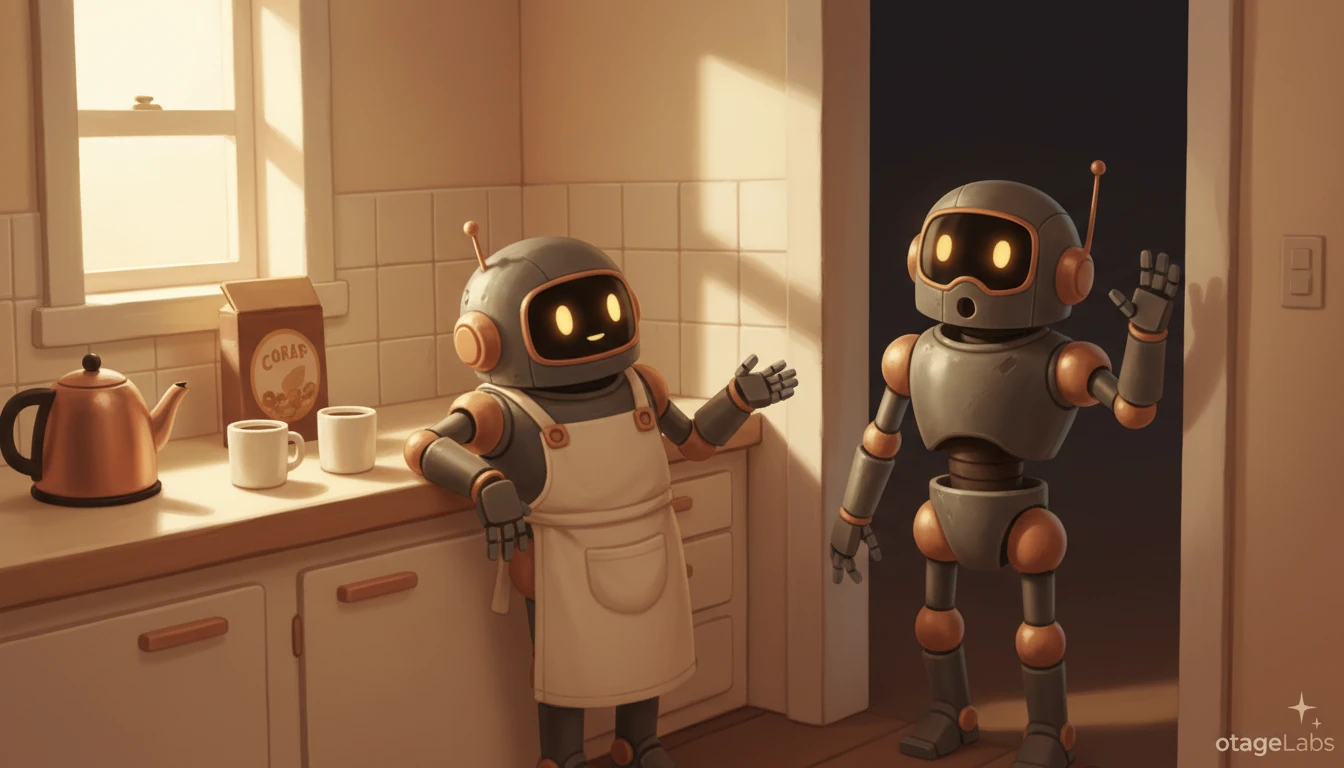
"By the way, don't forget the milk."
We all know what this means. It's clear, obvious and it's baked into our vernacular. It means take this bit of information and remember it. Don't forget it, because it's important.
Anthropic named a Claude Code feature /btw however it doesn't work according to our expectations
The feature that caught my eye
There it was on my YouTubes, new feature day from the usual hype cycle. /btw caught my attention as I have a working pattern for steering the agent mid-task: hit the escape sequence, interrupt, inject a thought, and let it continue with the adjusted course. It works. But it's not elegant. /btw looked like it could be a cleaner alternative; a way to nudge the agent without breaking its stride.
So in the modern way I asked my agent to read the docs and tell me how it works.
What /btw does
/btw opens an ephemeral sidebar. You type something, Claude responds, and when the sidebar closes the entire exchange vanishes. The agent's working context stays unchanged. Nothing said in that sidebar carries forward; no persistence, no tools, no context steering.
There's a valid use case here. Quick lookup questions, checking something without polluting the main conversation. "What's the syntax for a PostgreSQL lateral join?" is a fair /btw interaction. Ask, get the answer, move on; the main thread stays clean.
That's a long way from what "by the way" means in every other context I've used it.
The silent failure
Picture this: mid-session, type in /btw also handle the edge case for null inputs. Claude acknowledges it. Work continues. The sidebar closes. The edge case never gets handled.
No error, no warning. You find out later, during debugging, when the null input crashes the application and you're tracing back through the conversation trying to figure out why Claude ignored your instruction. It didn't ignore it. It never received it. That instruction lived and died inside a disposable sidebar.
Silent failure is the expensive kind. When something breaks loudly you learn in the moment. When it breaks silently you learn after the damage is done.
If the command were called /aside or /peek, none of this happens. Neither word implies retention. The mental model would be correct on first use. /btw implies the opposite of what it does.
Naming is the job
This isn't about one command. It's about the oldest unsolved problem in software: naming things.
Phil Karlton's "two hard things" quip has been quoted so often it's practically load-bearing infrastructure in computer science curricula. And still, a team of exceptional engineers shipped a command where the name contradicts the behaviour. Variables, models, CLI verbs; when any of these are named wrong the confusion compounds over weeks of use. Everyone knows this. Everyone still gets it wrong.
The cost is higher in AI tooling than anywhere else because users are building mental models from scratch. There's no decades-long precedent for how an AI agent conversation should work. Every command name, every interaction pattern, every piece of UI is teaching you how to think about the tool. For most people, the command name is the only documentation they'll ever read.
What right looks like
/compact in Claude Code does exactly what it says. git stash stashes your changes. git blame tells you who to blame. These names pass the only test that matters: someone who has never read the docs uses the command and gets roughly what they expected.
/btw fails that test. The feature is well-built, the engineering is sound, and the name works against it.
Send a robot to the milk bar with a "by the way, don't forget the milk" and watch it walk out empty-handed. That's /btw. The instruction was received, acknowledged, and immediately discarded.
I still use the escape sequence.